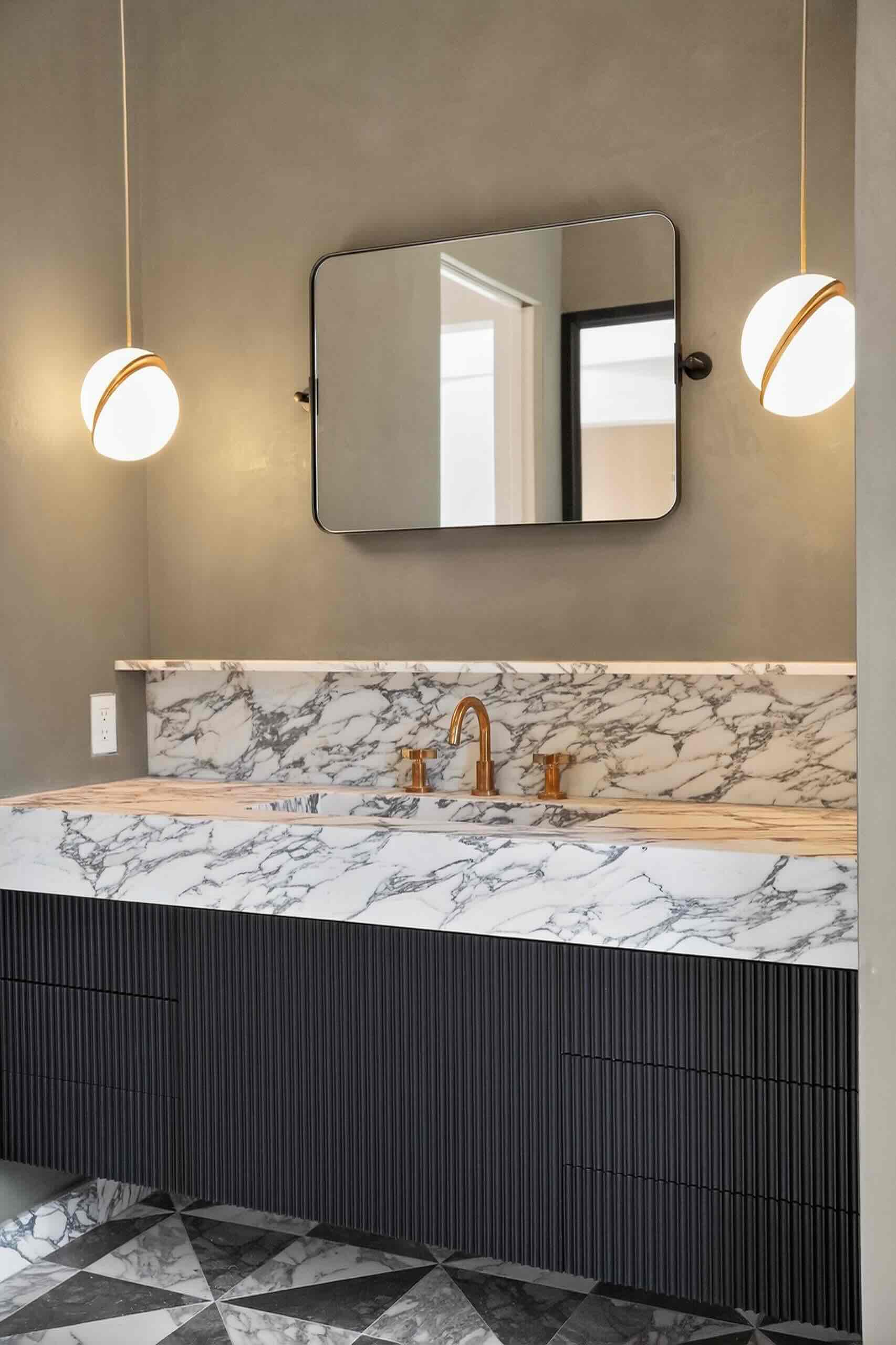
Luxury in residential real estate has changed a lot over the past decade. In the early days of home automation, homeowners proudly displayed their technology. Large wall-mounted touchscreens and glowing keypads became status symbols. They signaled to guests that a house was equipped with the absolute latest and most expensive hardware available. However, architectural tastes and interior design preferences have shifted dramatically since those early iterations. Today, luxury homes focus on clean design and hidden technology instead of visible gadgets. Many modern high-end homes now hide most of their technology from plain sight.
This shift led to what many designers now call the invisible smart home. Modern homeowners no longer want to compromise their meticulously crafted interiors with obtrusive plastic panels or glaring digital screens. Instead, they collaborate with world-class architects and interior designers to create living spaces where technology serves the occupants quietly and unobtrusively. The goal is simple. The home should respond to your needs without drawing attention to the technology behind it. The technology disappears into the background of the home, leaving only the luxurious experience behind for you and your guests to enjoy. And that is the point.
Many homeowners first notice this shift when they visit a newly built luxury property and cannot immediately see where the technology is installed.
If you are planning to build a custom luxury home or remodel an existing high-end property in Boston, understanding this invisible approach is incredibly crucial. The days of accepting visual wall clutter in exchange for modern convenience are officially over. You can now achieve the absolute pinnacle of home automation while strictly preserving the pure architectural vision of your living space. This guide explains how new technology can blend naturally into modern home design. We will delve deeply into hidden audiovisual systems, invisible security measures, and the underlying technological frameworks that make it all possible.
To fully appreciate the monumental shift toward invisible technology, we must first answer a fundamental question. Exactly what is a smart home? In the past, this term simply described a house with a few isolated connected devices. You might have had a programmable thermostat in the hallway or a remote-controlled lighting system in the living room. These early iterations were highly fragmented. For many people, early smart homes actually felt frustrating rather than futuristic. Homeowners had to open several different smartphone apps just to control separate devices. The result was a fragmented experience that rarely felt luxurious.
Today, a true smart home represents a highly sophisticated and holistic ecosystem. It is a residence equipped with a central nervous system that seamlessly connects lighting, climate control, entertainment, security, and motorized shading. These diverse subsystems communicate with one another intelligently and constantly. For example, when you press a single button labeled Evening Relaxation, the entire environment transforms simultaneously. The overhead lights dim to a warm and inviting glow, the privacy shades lower automatically, the temperature adjusts to your preferred setting, and soft music begins to play throughout the room.
A modern intelligent property operates proactively rather than just reactively. It uses an intricate array of hidden sensors to monitor room occupancy, natural light levels, and subtle temperature variations throughout the entire day. The house actually learns your daily routines over time and automatically adjusts the environment to suit your lifestyle. This incredible level of sophistication requires a massive network of hardware and software working in perfect harmony behind the scenes. The system works best when all this technology stays hidden from view. Most homeowners never think about it after that.
The primary guiding philosophy behind invisible technology is that a home should feel natural and organic. Walking into a meticulously designed living room should always evoke a strong emotional response. Your eyes should be drawn immediately to the custom millwork, the imported marble fireplace, or the sweeping architectural views of the landscape outside.
Your gaze should never be interrupted by a glaring plastic thermostat or a chaotic cluster of mismatched light switches. Visual clutter quickly kills high-end design, and technology has historically been a very significant source of that clutter. Designers often call this problem ‘wall clutter.’ Too many devices quickly break the visual flow of a room.
Architects and interior designers spend many hours shaping the visual harmony of a luxury space. They choose textures, colors, and materials carefully to create a specific mood. When bulky technology is visibly imposed upon these carefully crafted designs, it disrupts the cultivated aesthetic. Invisible technology brilliantly resolves this long-standing conflict by shifting the necessary hardware entirely out of sight. It allows the home to offer unparalleled modern convenience without forcing the homeowner or the designer to sacrifice their stylistic preferences.
Achieving this impressive level of seamless integration requires careful planning and collaboration from the very beginning of a residential project. It is definitely not something that can be easily retrofitted after the drywall is finished and the paint is dry. Builders, architects, interior designers, and technology integrators must work together intimately during the initial blueprint phase. They must strategize exactly where equipment racks will be housed, how massive bundles of wiring will be routed, and how the user interfaces will be blended seamlessly into the final architecture.
One of the most visually impressive areas of invisible technology involves modern audio and visual systems. High fidelity sound is an absolute staple of luxury living, but traditional floor-standing speakers are often bulky and intrusive. They command entirely too much valuable floor space and frequently clash with modern minimalist decor themes. Even conventional flush-mounted wall speakers feature visible metal grilles that disrupt the smooth finish of a painted surface or custom wallpaper. The brilliant solution to this aesthetic problem lies in revolutionary invisible speaker technology that hides the audio source. Guests often assume the music is coming from traditional speakers until they realize none are visible. For first-time visitors, this moment is usually surprising.
Flush Drywall Speakers
Modern acoustic engineering has successfully produced powerful speakers that are literally installed flush with the surrounding drywall. After the speaker units are mounted to the wall studs, installers apply joint compound over them. The surface is then sanded, primed, and painted or wallpapered like the rest of the wall. The final result is a perfectly smooth wall surface with absolutely no visual indication that a high-performance speaker is present. Despite being buried behind a layer of finishing material, these hidden speakers deliver breathtaking and room-filling sound.
This innovative technology utilizes specialized vibrating acoustic panels that emit high-frequency and low-frequency sound waves directly through the layer of plaster. The resulting audio quality easily rivals traditional premium loudspeakers, ensuring that strict audiophiles do not have to compromise on performance for the sake of design. You can walk through a grand foyer or a formal dining room and hear pristine orchestral music seemingly radiating from the pure architecture itself. Interior designers absolutely adore this elegant solution because it eliminates the need to plan their room layouts around unsightly audio equipment.
Art and Mirror TVs
The large living room television has long been a major thorn in the side of high-end interior designers. A large black television on a prominent wall can easily disrupt the carefully designed atmosphere of a formal living space. Fortunately, the invisible smart home offers several brilliant solutions for entirely concealing these massive displays. One highly popular method involves motorized mechanisms that hide televisions directly behind custom framed artwork. When you wish to watch a movie, a silent and smooth motor rolls the canvas up into a hidden pocket, revealing the brilliant screen underneath.
Another highly elegant approach is the integration of specialized mirror televisions. When powered off, these devices look indistinguishable from high-quality decorative mirrors hanging on the wall. They feature custom decorative frames and flawless reflective glass surfaces that complement the room decor perfectly. However, when turned on, the specialized two-way glass allows the ultra-high definition display hidden behind it to shine through brightly and clearly. This solution has become especially popular in luxury bathrooms, bedrooms. and sophisticated lounge areas where a traditional television would look out of place.
Professional lighting is arguably the most critical element of successful interior design. It perfectly defines the mood, highlights specific architectural details, and truly makes a large house feel like a warm home. However, advanced residential lighting systems traditionally required massive banks of switches lined up on the wall. A luxury home can have six or seven lighting zones in one room. This often creates a long row of wall switches. The invisible smart home eliminates this glaring aesthetic problem through centralized lighting control systems.
Flush Keypads and Shades
With a centralized lighting system, all the actual electrical dimming hardware is relocated to a hidden utility closet in the basement or mechanical room. Instead of six or seven switches, a single keypad can control the entire room. These modern keypads can be custom-engraved and flush-mounted directly into the drywall so they sit perfectly even with the wall surface. They can be expertly finished in premium materials that match the room perfectly, such as brushed brass, matte black, or even custom wood grains. A single button press can activate a complex scene involving dozens of hidden light fixtures simultaneously.
Furthermore, managing natural lighting is just as important as controlling artificial lighting in a luxury home. Motorized window treatments are essential for managing solar heat gain and providing privacy. In an invisible smart home, the hardware for these motorized shades is concealed from view. Custom wooden pockets are built directly into the ceiling during the initial construction phase. The motorized shade rollers are securely housed inside these hidden pockets, making them entirely invisible when the shades are raised. When commanded, the beautiful custom fabrics simply descend from a very narrow slit in the ceiling.
Maintaining perfect thermal comfort in all seasons is a basic requirement for any luxury property in the United States. However, standard digital thermostats are notoriously unattractive and disrupt modern interior design aesthetics. Designers often call this problem “wall acne”. It refers to the clutter created by thermostats, switches, keypads, and other controls placed on the same wall. To fully achieve an invisible aesthetic throughout the property, traditional heating and cooling controls must be rethought and relocated away from the primary living spaces.
Hidden Sensors and Vents
Instead of placing a bulky digital thermostat in every single room of the house, modern technology integrators now use tiny remote temperature sensors. These discrete sensors are incredibly small and can easily be painted to match the surrounding wall color perfectly. Some sensors are even hidden entirely behind baseboards or cleanly integrated directly into the flush-mounted light switches. These tiny sensors constantly monitor the room temperature and humidity and relay the data back to a centralized climate control processor hidden safely in the mechanical room.
The physical air conditioning and heating vents themselves are also undergoing a massive design revolution in the luxury market. Traditional louvered metal grates are being replaced by sleek, linear diffusers. These modern architectural vents are plastered directly into the ceiling or wall, leaving only a very narrow, shadow-like slit for the conditioned air to flow through. The final result is perfectly balanced air conditioning and heating without any industrial-looking metal grates ruining the carefully crafted ceiling design. The entire climate control system essentially becomes a silent, invisible background process.
Comprehensive physical security is absolutely a top priority for luxury homeowners across the United States. A robust security system provides immense peace of mind, but traditional security hardware can be quite imposing and visually aggressive. Large exterior cameras, bulky interior motion detectors, and obtrusive electronic door locks can quickly make a beautiful residential property feel more like a commercial fortress. The invisible smart home approach ensures the property remains incredibly secure while maintaining a highly welcoming, elegant, and peaceful visual facade for residents and guests alike.
Smart Locks and Cameras
Innovative hardware companies have successfully engineered smart door locks that are entirely contained within the wooden door itself. All the complex locking mechanisms, electric motors, and wireless communication radios are housed inside the door frame and panel. From the outside, the door features beautiful, traditional architectural hardware that matches the home perfectly. There are absolutely no glowing digital keypads or bulky battery packs visible to the naked eye. Yet, the heavy door will automatically unlock as you approach with your authorized smartphone, offering the ultimate blend of high design and modern convenience.
Similarly, property surveillance cameras are becoming much more discreet and refined. Flush-mounted exterior dome cameras can be custom-painted to match the exterior roof soffits perfectly and blending in seamlessly. Some extremely high-end properties even utilize tiny pinhole cameras brilliantly integrated into exterior light fixtures or custom doorbell stations. Interior motion sensors used to trigger security alarms or automated pathway lighting are now mounted flush with the ceiling, looking entirely indistinguishable from a tiny recessed lighting trim. The result is a home that feels welcoming instead of guarded.
For an entire invisible smart home to function flawlessly day in and day out, all the hidden devices must communicate perfectly with one another. In the past, achieving this level of communication was a massive technological challenge. Devices from different manufacturers often simply refused to speak to one another due to competing software. Homeowners were unfairly locked into proprietary ecosystems that severely limited their future hardware choices. This massive fragmentation heavily frustrated both professional integrators and homeowners alike. The smart home industry desperately needed a universal communication language. This brings us directly to the core question: exactly what is Matter standard?
Unified Device Control
The Matter standard is an open source connectivity protocol. Its goal is to unify the smart home industry. It was developed collaboratively by massive technology giants, including Apple, Google, Amazon, and the Connectivity Standards Alliance. Matter works like a common language that allows different smart devices to communicate. It rigorously ensures that a smart lock from one brand, a hidden lighting system from another, and a motorized shade from a third can all communicate seamlessly, regardless of which parent company originally manufactured them.
When a specific device is officially certified with the Matter standard, it guarantees local, secure, and incredibly rapid communication over your residential home network. It relies on highly robust wireless protocols like Thread and common residential WiFi to create a powerful self-healing mesh network. If one device goes offline, the rest of the network can usually continue working without disruption. For the invisible smart home concept, the global Matter standard is an absolute game changer in terms of pure reliability.
The widespread adoption of the Matter standard means that homeowners no longer need multiple redundant network hubs hidden away in their utility racks. The required networking infrastructure becomes beautifully streamlined and significantly more reliable for daily use. It also future-proofs the massive luxury home financial investment. As new invisible technologies are developed in the coming years, they will easily slot right into the existing Matter-enabled residential ecosystem. This standard acts as the foundation that allows modern smart homes to run smoothly. For many homeowners, this simply means fewer apps, fewer compatibility issues, and a more reliable system.
As we push steadily further into the modern technological era, the invisible smart home is rapidly evolving far beyond simple programmed daily routines. The deep integration of advanced artificial intelligence is effectively creating homes that are genuinely predictive and intuitive. Instead of waiting for you to press a button, the home can anticipate your needs. It uses historical behavior and real-time environmental data to do this. This highly invisible intelligence truly represents the absolute pinnacle of modern luxury living and ultimate residential convenience.
For instance, an AI-driven residential system can deeply analyze local weather patterns, daily solar positioning, and your specific personal schedule. If the system knows a massive summer heat wave is rapidly approaching and you typically arrive home at exactly six in the evening, the house will act proactively. It will automatically lower the motorized privacy shades on the western-facing windows early in the afternoon to block the intense sun. It will then gradually adjust the interior climate control using minimal energy to ensure the house is perfectly comfortable the exact moment you walk through the front door.
This highly predictive behavior is invisible to the actual homeowner and their guests. There are no annoying digital notifications or smartphone prompts to manage throughout the day. The entire home acts just like a silent, highly dedicated professional butler. It automatically learns that you strongly prefer brighter overhead lights on gloomy rainy days and much softer audio volumes late at night before bed. In practice, many homeowners barely notice these adjustments happening. The artificial intelligence actively processes all this personal data locally entirely within the home processor, ensuring that your family's privacy is always strictly maintained and protected.
There is a common public misconception that massive luxury homes equipped with extensive automation systems are inherently wasteful regarding energy. In reality, a properly designed invisible smart home is incredibly efficient and environmentally conscious. Major national energy providers consistently note that fully automated homes drastically reduce overall grid load during peak hours. By integrating interior lighting, climate control, and window shading into one highly intelligent centralized system, the property optimizes energy consumption day and night.
When a specific room is unoccupied, the hidden ceiling motion sensors instantly communicate with the central processor to turn off the lights and slightly relax the local climate control settings. The automated window treatments also act as highly dynamic thermal insulation. During the cold winter months, the shades open automatically during the day to harvest natural solar heat. During the hot summer months, they close tightly to block intense sunlight, dramatically reducing the massive workload on the primary air conditioning system. This incredible level of granular control is virtually impossible to achieve manually. In many homes, owners only realize the energy savings after comparing their utility bills over time. The system simply runs in the background.
This massive boost in energy efficiency absolutely does not require any sacrifice in personal comfort or residential luxury. The homeowner never has to worry about their daily energy usage. The house constantly performs complex mathematical calculations in the background to ensure that energy is used exactly where and when it is needed. This optimization drastically lowers monthly utility costs, reduces overall carbon footprint, and ensures that the home operates as sustainably as modernly possible.
Successfully building an invisible smart home is highly specialized and technically complex. It requires a very dramatic departure from standard traditional residential construction methods. You cannot simply build the house first and then just hand the keys to an audiovisual company to install the technology later. True aesthetic invisibility strictly requires massive architectural accommodation from the very first conceptual design sketches. The highly collaborative relationship between the lead architect, the interior designer, and the specialized technology integrator is absolutely vital for overall success.
Early Stage Planning
The professional technology integrator must be hired at the same time as the lead architect. They must review the initial floor plans together to properly designate adequate physical space for massive equipment racks in a climate-controlled utility room. They must also carefully plan the vast wiring infrastructure, ensuring that necessary low-voltage cables can easily reach every necessary endpoint without compromising structural integrity. If you desire motorized shades that disappear completely into the ceiling, the architect must frame those specific ceiling pockets long before the drywall is ever hung. Projects that skip this planning stage often face costly redesigns later.
Similarly, the lead interior designer must coordinate with the technology integrator regarding all final wall finishes and materials. If plaster-over-drywall invisible speakers are heavily used, the designer needs to know exactly where they are physically located. This ensures they do not inadvertently place heavy custom artwork or complex millwork directly over the sensitive acoustic panels. This vital early collaboration eliminates highly costly change orders during the actual construction phase. It ensures that the final product is a flawlessly executed masterpiece where the pure design and the hidden technology elevate one another perfectly.
Investing in an invisible smart home is definitely not just about personal daily enjoyment and comfort. It is also a highly strategic and lucrative financial decision for your future portfolio. Real estate data shows that many luxury buyers now expect integrated smart home systems. At the same time, visible and outdated technology can make a property feel dated.
By concealing the physical hardware and utilizing universal communication protocols like the Matter standard, you are essentially future-proofing the entire property investment. The hidden wiring infrastructure remains highly relevant even as consumer electronics inevitably evolve over the coming decades. A prospective buyer walking into the home will experience automated lighting, hidden audio, and integrated climate control working quietly in the background. The pure aesthetic appeal of the home is perfectly maintained, while the hidden technological capabilities set it far apart from competing luxury properties currently on the local market.
This highly invisible approach perfectly protects the overall architectural integrity of the massive estate. High-end luxury buyers are ultimately purchasing the exquisite design, the breathtaking views, and the incredible custom craftsmanship. The hidden technology is simply the invisible digital thread that successfully ties the entire luxury living experience together seamlessly. Homes that combine thoughtful design with well-integrated technology often perform better in the luxury market.
As we look at the rapidly shifting landscape of luxury home building today, the massive trend toward total invisibility is accelerating. Hardware manufacturers are investing heavily in smaller components and new materials. The goal is to make smart home devices even less visible. We are currently seeing the exciting development of advanced smart glass that can instantly turn opaque at the mere touch of a button, eliminating the strict need for physical fabric window treatments in certain highly modern architectural designs.
Furthermore, localized artificial intelligence voice control systems are rapidly becoming highly sophisticated enough to operate flawlessly without ever relying on remote cloud servers. Many manufacturers are already experimenting with even smaller sensors and controls. Tiny, invisible microphones cleverly plastered directly into the ceiling drywall can accurately process natural language commands instantly and securely. You can simply speak normally into the open air of your large kitchen to instantly adjust the ambient lighting or lock the exterior doors, with zero visible hardware required and complete personal data privacy maintained. The luxury home effectively becomes a fully ambient and invisible computing environment.
The ultimate end goal of all these incredible technological innovations is to finally return the focus to pure human-centric design. Residential technology was historically always meant to quietly serve us, not visually distract us or clutter our personal living spaces. By hiding the highly complex electrical machinery, we successfully reclaim our beautiful living spaces. We effectively create living environments that are incredibly powerful yet supremely peaceful and relaxing. The truly invisible smart home is the absolutely perfect modern marriage of highly advanced digital engineering and timeless architectural beauty.
The exciting journey toward successfully building an invisible smart home is an incredible exercise in meticulous planning and highly refined aesthetic taste. It strictly requires moving past the outdated historical notion that expensive technology must be physically seen to be truly appreciated. By fully embracing hidden audiovisual systems, highly discreet climate controls, and beautifully flush-mounted security hardware, you can effectively create a personal sanctuary of uninterrupted interior design. A modern luxury home combines thoughtful design with advanced technology that stays mostly out of sight.
Deeply understanding foundational concepts and fully embracing new universal communication standards strictly ensures that your massive financial investment remains highly robust and incredibly reliable for decades to come. When the physical hardware disappears into the surrounding architecture, you are left solely with a pure luxurious experience. Your residence effortlessly becomes a highly responsive, incredibly intelligent, and beautifully serene living environment. As you confidently embark on your next custom residential building project, strictly prioritize absolute invisibility. Demand modern technology that respects your architectural design vision and truly elevates your daily life quietly from the background.
Do invisible speakers sound as good as traditional speakers?
Yes, high-quality invisible speakers use advanced vibrating panel technology to send sound waves perfectly through the drywall or plaster. They offer incredible clarity and rich bass that easily rivals premium traditional architectural speakers.
How do you fix an invisible speaker if it breaks?
While extremely rare, if an invisible speaker fails, the section of drywall must be cut out to replace the unit entirely. However, premium audio manufacturers build these to highly rigorous standards with built-in protection circuits to prevent blowing out.
Can I make my current luxury home an invisible smart home?
Retrofitting is certainly possible but quite challenging. You can add invisible locks, frame televisions as fine art, and easily upgrade to flush keypads. However, adding hidden ceiling pockets usually requires massive remodeling and extensive drywall work.
Does centralized lighting actually save precious wall space?
Absolutely. Centralized lighting smartly moves all the bulky electrical dimming modules to a remote mechanical room. This allows you to replace massive banks of ugly light switches with one single flush-mounted keypad.
Why is early planning so absolutely important for motorized shades?
To properly make motorized shades completely invisible when rolled up, custom recessed wooden pockets must be expertly framed into the ceiling structure during the early rough framing phase. This simply cannot easily be done after the ceiling drywall is finished.
How do hidden temperature sensors actually work?
These tiny electronic sensors are mounted extremely discreetly on painted walls or hidden behind wooden trim. They constantly measure the room climate and silently send that exact data over low-voltage wire to a hidden main processor unit.
Are modern invisible smart locks actually reliable for security?
Yes, modern invisible smart locks house all their internal motors and heavy batteries inside the solid core of the door itself. They use heavy-duty commercial-grade hardware and communicate via highly secure wireless protocols.
Do I really need a massive equipment rack for my smart home?
Yes, a truly invisible smart home requires a dedicated and well-ventilated mechanical space to house the central processors and lighting modules. Moving this massive equipment out of the living spaces is exactly what keeps the home visually clean.
What exactly happens if the internet goes down in a smart home?
A properly designed luxury automated system relies heavily on local processing power. While remote access via your smartphone might drop temporarily, all your wall keypads, automated lighting, and local audio will absolutely continue to function perfectly.
Is investing in hidden technology truly worth the cost for resale?
Yes, luxury real estate buyers expect advanced home automation, but they strongly dislike visible outdated tech clutter. Hidden digital infrastructure maintains the timeless architectural beauty of the home while providing modern amenities.